

Discover About Materials We Use HDHMR
HDHMR Boards: Engineered for Indian Homes
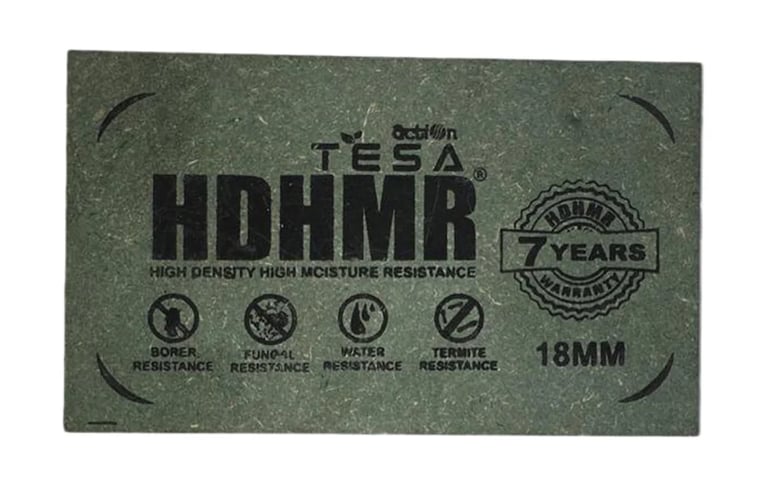
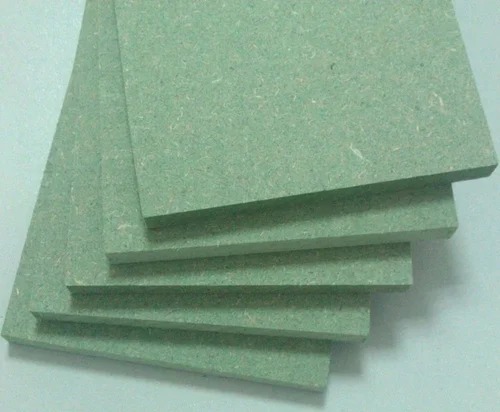
High-density, moisture-resistant, and built to last—HDHMR boards are the elevated alternative to traditional wood panels. Specially designed for Indian climates, they resist humidity and wear with ease. By combining wood fibers with advanced resins and binding agents, these boards deliver superior strength, durability, and performance, making them ideal for kitchens, wardrobes, and more.
How HDHMR Boards Are Crafted
HDHMR boards are engineered through a meticulous process that ensures unmatched strength and durability. Sustainable wood fibers, sourced from rubberwood and pine, are blended with moisture-resistant resins and wax. This mixture is then subjected to high-pressure formation and heat treatment, activating the binding agents to create boards of exceptional density—over 800 kg/m³. Finally, each board is finely trimmed and sanded to achieve smooth, flawless surfaces. The result: a material far stronger and more resilient than ordinary plywood, perfectly suited for Indian homes.
HDHMR vs Plywood: Choosing the Right Material
When it comes to durability and performance, not all wood panels are created equal. HDHMR boards outperform traditional plywood in key areas, especially in humid conditions typical of Indian cities like Mumbai, Bengaluru, or Chennai.
Why HDHMR Stands Out
Superior moisture resistance thanks to advanced resins
No swelling, warping, or delamination in humid environments
Ideal for kitchens, bathrooms, and high-use spaces
Maintains stability even during heavy monsoons
Plywood: Limitations to Consider
Absorbs moisture easily, leading to potential warping
Requires additional waterproofing for longevity
Marine plywood is more durable but comes at a higher cost
For projects where longevity, resilience, and hassle-free maintenance matter, HDHMR is the smarter choice.
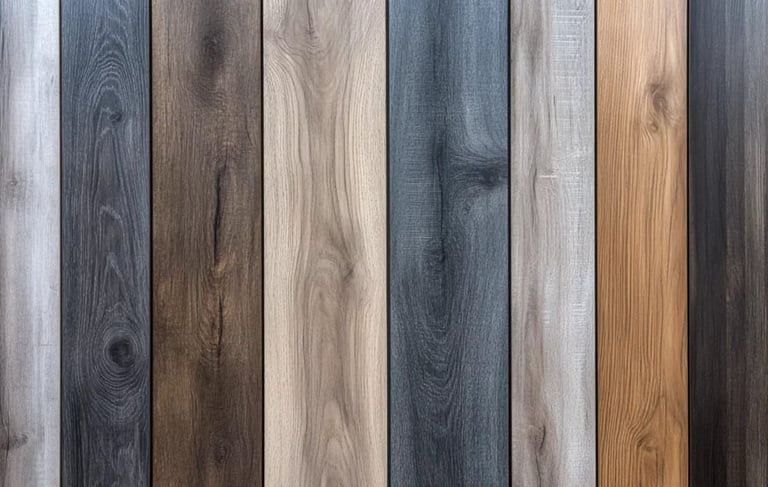


When choosing materials for home interiors—especially for furniture and cabinetry—HDHMR and marine plywood are two options that are frequently considered. Both are known for their strength and resistance to moisture, but they differ in terms of price, durability, and where they perform best. Understanding these differences can help you pick the right material based on your requirements and budget.
To sum it up, HDHMR is a practical and economical choice for most indoor furniture needs. Marine plywood, on the other hand, is a higher-end material designed to last for decades and handle heavy moisture exposure. The final decision should be based on how much you’re willing to invest, where the material will be used, and how long you expect it to perform.
The Difference between HDHMR and Marine Plywood
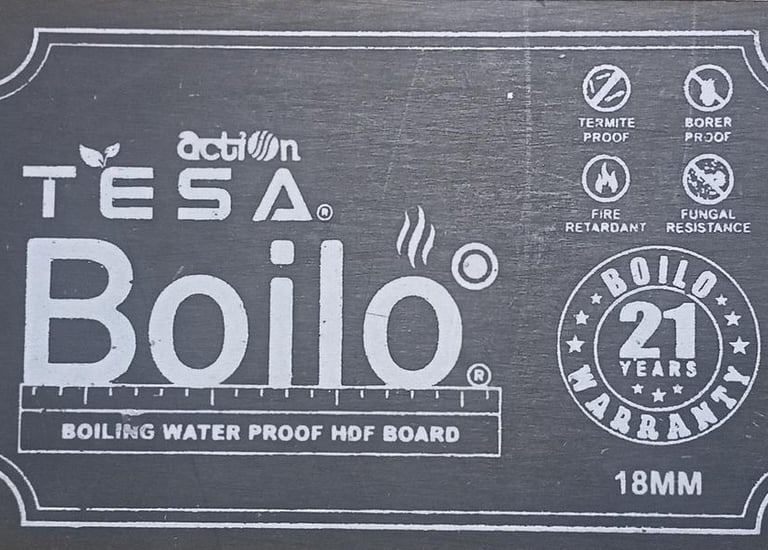
Boilo Board (BWP & FR HDF)
Boilo Board for Kitchen Sink Areas
In areas like the kitchen sink section, moisture exposure is constant due to water splashes and plumbing connections. Because this area remains damp most of the time, we use Boilo Board to manufacture the sink carcass box. Its waterproof and durable properties make it a reliable choice for protecting cabinets from swelling, warping, or long-term damage caused by water.
About BWP/Boilo Board
Boilo Board is a branded boiling waterproof (BWP) and fire-retardant High-Density Fiberboard (HDF) manufactured by Action Tesa. It is specially designed for interior applications in areas exposed to moisture or heavy usage. Despite the name, it is not a board game but a high-performance construction and furniture material.
Product Overview
Action Tesa Boilo Board is an engineered wood panel developed to deliver better durability and resistance compared to conventional plywood, especially in demanding environments.
Boiling Water Proof (BWP): Designed to withstand exposure to boiling water without swelling or warping, making it suitable for kitchens, bathrooms, laundry areas, and sink cabinets.
Fire Retardant (FR): Built with fire-resistant properties to improve safety in interior spaces.
Termite and Borer Resistant: Chemically treated to protect against termites, borers, and fungal attacks, ensuring long-term performance.
High Density: With a density exceeding 1000 kg/m³, it provides excellent strength, impact resistance, and load-bearing capacity. Ideal for flooring, wall paneling, heavy-duty furniture, and sink base units.
Recommended Applications: Commonly used in restroom cubicles, modular kitchens, sink carcass boxes, wardrobe shutters in damp areas, and other high-moisture or high-traffic interior spaces.
Surface Finish: Features a smooth surface that is suitable for painting and polishing.
Still Confused Between HDHMR and Plywood? Here’s a Clear Comparison
Selecting the right material plays a major role in how long your furniture and interiors will last. HDHMR and plywood are both reliable options, but each works better in different situations. Your final choice should depend on your budget, moisture exposure, design expectations, and durability requirements.
The comparison below will help you decide which material suits your project best.
Final Recommendation
Choose HDHMR if you want a cost-effective, moisture-resistant, and easy-to-install material for modern interiors.
Opt for plywood or marine plywood if you prioritize natural aesthetics, structural strength, and long-term durability—especially for premium or load-bearing furniture.
Let your budget, usage area, and design goals guide your final decision.
Contact US
Engagement
Mail : info@haisolkitchen.com
Copyright © 2024 All Rights Reserved Haisol
Mob +91 745783594 / 9528772208
Add : Warehouse in Bhalswa Dairy, Delhi
Factory in Sikandrabad (UP)


HAISOL is a luxury brand specializing in premium modular kitchens and wardrobes. Our bespoke designs combine innovation, elegance, and functionality to create spaces that truly feel like home. With a commitment to quality craftsmanship and cutting-edge designs, we transform your vision into reality.